Small Habits, Big Difference: How to Make Your Flight More Comfortable

Small Habits, Big Difference: How to Make Your Flight More Comfortable
A flight can mark the start of an exciting journey—but it can also test your patience and comfort. Long lines, dry cabin air, cramped seats, and time zone changes can quickly drain your energy. The good news? A few small habits and smart preparations can make a big difference in how you experience your trip. Here are some simple ways to make your next flight more comfortable, whether you’re heading out for a weekend getaway or a long-haul adventure.
Prepare Before You Leave Home
A comfortable flight starts long before you board. A little planning can go a long way.
- Dress in layers – Cabin temperatures can fluctuate between chilly and warm. Layering makes it easy to adjust.
- Pack a small comfort kit – Include essentials like a toothbrush, lip balm, hand sanitizer, moisturizer, and earplugs. These small items can make a big impact on longer flights.
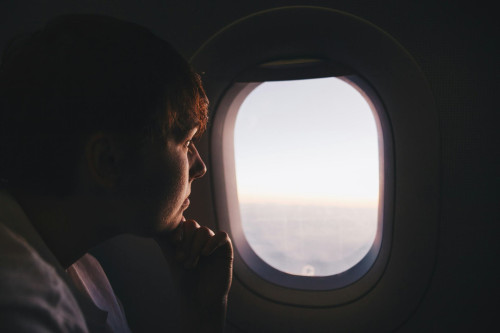
- Choose your seat wisely – If you like extra legroom, consider an exit row or bulkhead seat. Prefer to sleep undisturbed? Go for a window seat.
Check your airline’s carry-on rules before you pack to avoid stress at security.
Move—Even in the Air
Sitting still for hours can lead to stiffness and poor circulation. Gentle movement helps keep your body feeling better.
- Get up and walk the aisle every hour or two.
- Do light stretches for your shoulders, neck, and ankles.
- Consider compression socks to improve circulation and reduce swelling.
Even small movements—like flexing your feet or rolling your shoulders—can help you feel more refreshed when you land.
Stay Hydrated
Airplane cabins are notoriously dry—often drier than a desert. That can leave your skin, eyes, and energy levels feeling depleted. Drink plenty of water before and during your flight.
Try to limit coffee, tea, and alcohol, which can dehydrate you further. Bring a reusable water bottle and fill it after security. A bonus tip: apply a light moisturizer and use a saline nasal spray to combat dryness.
Create Calm and Rest
Sleeping on a plane isn’t always easy, but a few small tools can help you relax.
- An eye mask and earplugs block out light and noise.
- A neck pillow supports your head and prevents stiffness.
- Listen to calming music or a guided meditation to help your body unwind.
If you’re crossing time zones, start adjusting your sleep schedule a few days before departure. It’ll make the transition smoother when you arrive.
Eat Light and Smart
Airplane meals can be heavy and salty, which doesn’t help your comfort or digestion. Choose lighter options and avoid too much sugar or fat.
Bring your own snacks—nuts, fruit, or protein bars are great choices. They keep your energy steady and free you from relying on in-flight service. If you have dietary restrictions, most airlines let you pre-order special meals—just make sure to do it in advance.
Make the Airport Part of the Journey
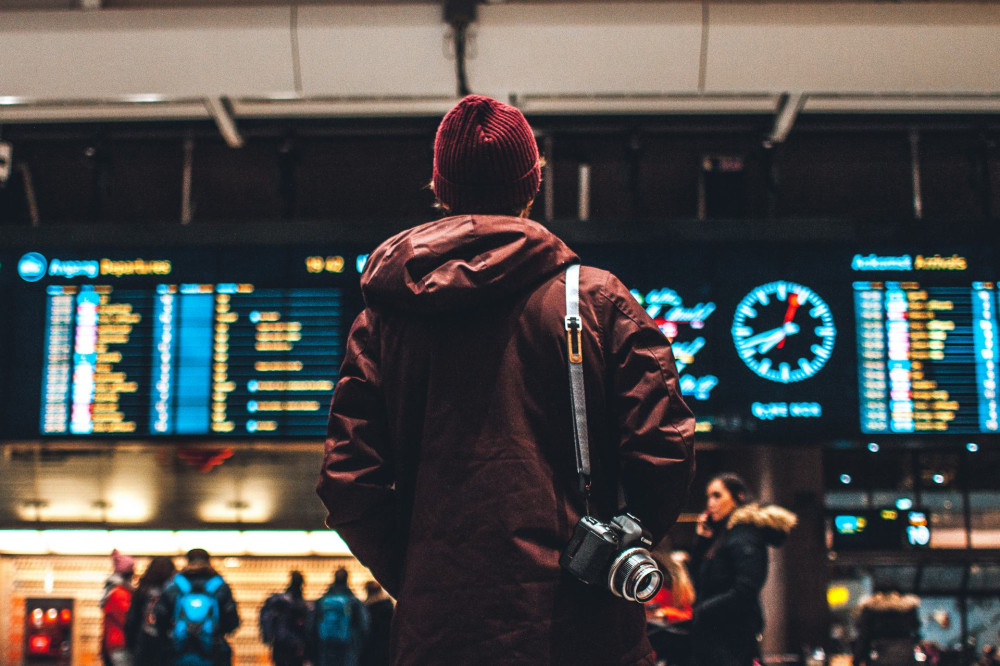
For many travelers, stress starts at the airport. But with the right mindset, waiting time can become part of the experience.
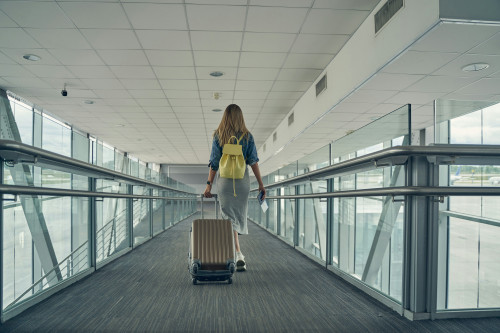
Arrive early so you don’t have to rush through security. Use the extra time to stretch your legs, find a quiet corner, or enjoy a coffee. A few calm minutes before boarding can set the tone for a more relaxed flight.
Læs også:

Think Ahead to Arrival
Comfort in the air also affects how you feel when you land. Keep essentials handy—like a toothbrush, phone charger, a clean shirt, and any medication you might need.
If you’re arriving in a new time zone, try to sync with local time right away. Eat and sleep according to your destination’s schedule to help your body adjust faster.
Small Habits, Big Difference
Comfort in the air isn’t about luxury—it’s about mindfulness. Simple habits like staying hydrated, moving regularly, dressing smartly, and creating calm can transform a tiring flight into a pleasant experience.
When you take time to prepare and listen to your body’s needs, your journey becomes more than just a way to get from point A to point B—it becomes part of the adventure itself.
Læs også: