From One Class to Many: The History and Evolution of Airplane Classes Over Time

From One Class to Many: The History and Evolution of Airplane Classes Over Time
When we board a plane today, we’re often faced with a choice: economy, premium economy, business, or first class. But it wasn’t always this way. Air travel has undergone a remarkable transformation—from a time when every passenger sat in the same cabin to today’s highly segmented experiences, ranging from ultra-luxury suites to budget-friendly seats. The story of airplane classes is also the story of how flying became both more accessible and more divided.
The Early Days: One Class for the Privileged Few
In the 1920s and 1930s, there was only one class on board—and it was far from comfortable. Air travel was noisy, bumpy, and prohibitively expensive. Passengers sat in small, unpressurized cabins, often bundled in coats to stay warm. Meals were simple, and flights were slow and low, making turbulence a constant companion.
Still, flying was a symbol of progress and prestige. Airlines like Pan American Airways and TWA marketed air travel as an exclusive adventure for those who could afford the future of transportation. For most Americans, flying was a dream rather than a realistic option.
The Postwar Boom: Comfort Takes Flight
After World War II, commercial aviation expanded rapidly. New aircraft such as the Douglas DC-6 and Lockheed Constellation made longer, smoother flights possible. In the 1950s, flying was still a luxury, but it was becoming more attainable for the middle class.
Cabins were spacious, and airlines competed on service rather than price. Stewardesses served hot meals on real china, and legroom was generous. There was still only one class, but the standard of comfort was high—and so were the ticket prices.
The Jet Age: Dividing the Cabin
The arrival of jet aircraft like the Boeing 707 and Douglas DC-8 in the late 1950s changed everything. Jets were faster, quieter, and capable of carrying more passengers over longer distances. As competition increased, airlines began to segment their offerings.
By the 1960s, most major carriers had introduced two distinct classes: first class and economy class. First class offered wider seats, gourmet meals, and personalized service, while economy class made air travel affordable for families and vacationers. This division marked a turning point—flying was no longer just for the elite, but the gap between comfort and cost became more visible than ever.
The 1980s and 1990s: The Rise of Business Class and Budget Travel
As corporate travel grew, airlines saw the need for something between luxury and economy. In the late 1970s, business class was born—a middle ground offering more space, flexible tickets, and priority service without the extravagant price tag of first class. It quickly became a hit, and many airlines began phasing out or downsizing their first-class cabins in favor of the more profitable business class.
At the same time, another revolution was taking place: the rise of low-cost carriers. Southwest Airlines in the U.S. pioneered the model of affordable, no-frills flying, inspiring similar movements worldwide. Comfort was minimal, but prices were unbeatable. Economy class became the norm, and millions of Americans took to the skies for the first time.
Læs også:

The 2000s and Beyond: More Choices, More Experiences
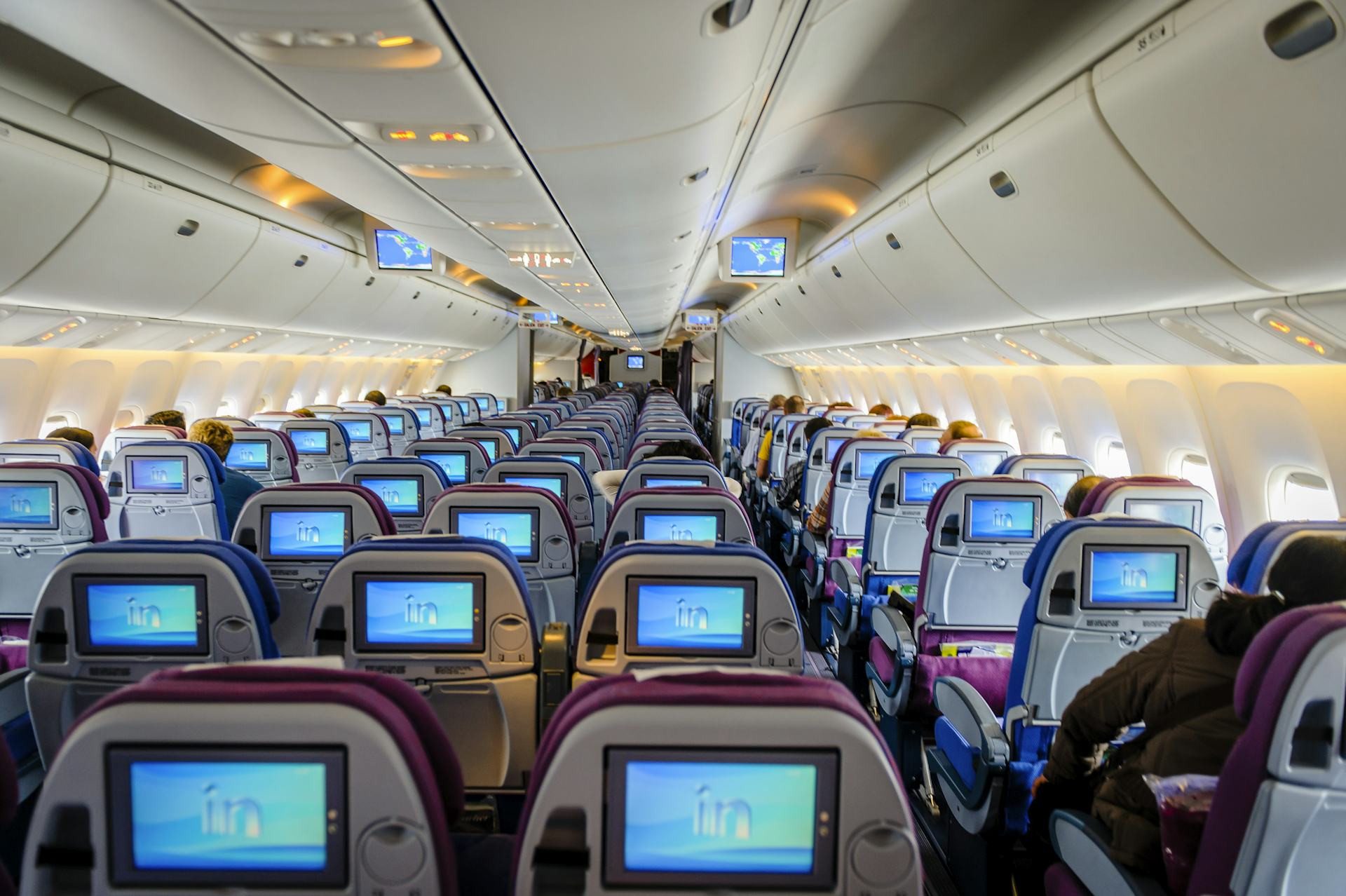
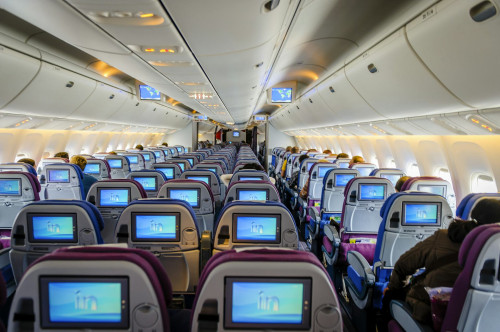
In recent decades, airplane classes have become even more nuanced. Many airlines introduced premium economy, a hybrid between economy and business, offering extra legroom, upgraded meals, and priority boarding. Meanwhile, luxury carriers such as Emirates, Singapore Airlines, and Etihad redefined first class with private suites, lie-flat beds, and even onboard showers.
Technology has also reshaped the flying experience. Passengers can now choose seats, meals, and entertainment in advance, while airlines use data to personalize offers and upgrades. Airplane classes are no longer just about space—they’re about experience, flexibility, and status.
The Future: Personalized and Sustainable Travel
The future of airplane classes seems headed toward even greater flexibility. Some airlines are experimenting with modular cabins, allowing passengers to customize their journey—adding comfort features like extra legroom, lounge access, or faster boarding à la carte. Sustainability is also becoming a key factor, with travelers increasingly willing to pay more for carbon offsets or flights powered by sustainable aviation fuel.
Perhaps the next evolution will blur the lines between classes altogether, offering tailored experiences rather than fixed categories. From one class to many—and maybe, one day, back to one again, but on entirely new terms.
Læs også: