Which European Bus Trip Is Right for You? How to Choose Your Route, Travel Time, and Comfort Level

Which European Bus Trip Is Right for You? How to Choose Your Route, Travel Time, and Comfort Level
A bus trip across Europe can be anything from a budget-friendly way to get around to a relaxing journey through some of the world’s most beautiful landscapes. With modern coaches, extensive route networks, and flexible ticket options, traveling long distances without flying has never been easier. But how do you choose the route, travel time, and comfort level that best fit your travel style? Here’s a guide to help you plan the European bus adventure that’s right for you.
Choose Your Route by Experience – Not Just Destination
When planning a bus trip, it’s not only about getting from point A to point B. The route itself can be part of the experience. Think about what you want to see along the way and how much time you have.
- Classic City Routes – Travel between major capitals like Paris, Amsterdam, Berlin, and Prague. You’ll get a mix of culture, architecture, and vibrant nightlife.
- Scenic Routes – Ride through the Alps, along the French Riviera, or across the rolling hills of Tuscany. Perfect for travelers who want to enjoy the view and take photos along the way.
- Coastal and Mediterranean Routes – From Barcelona to Nice or from Naples to Dubrovnik, these routes combine sunshine, beaches, and charming seaside towns.
- Historic Routes – Follow the paths of ancient empires or medieval trade routes through Central and Eastern Europe.
Check whether your bus makes stops along the way—some companies offer “hop-on, hop-off” options that let you explore cities en route.
Travel Time: When and How Long?
Bus journeys in Europe can range from a few hours to a full day, depending on the route. It’s important to consider how much time you want to spend on the road.
- Day Trips are great if you want to enjoy the scenery and take breaks along the way. You’ll get a better sense of the regions you pass through.
- Overnight Trips save you the cost of a hotel and give you more time at your destination. Most long-distance buses have reclining seats, and some even offer sleeper options.
- Combination Trips – Mix bus travel with trains or ferries if you want to cover longer distances without spending too many hours sitting still.
Always check how many stops the bus makes and whether there are opportunities to stretch your legs. A 10-hour ride can feel very different depending on comfort and rest breaks.
Comfort: From Basic to Premium
European bus travel ranges from simple budget routes to luxury coaches with amenities that rival airplanes. Think about what matters most to you—price, comfort, or flexibility.
- Budget Buses (like FlixBus or BlaBlaCar Bus) offer low fares and frequent departures. Comfort is basic, but you can travel far for very little money.
- Comfort Coaches provide extra legroom, Wi-Fi, power outlets, and sometimes free coffee or snacks. They’re ideal for longer trips.
- Premium and Tour Buses are often used for guided tours. You’ll get scheduled stops, planned sightseeing, and high service levels—but at a higher price.
For long journeys, it’s worth choosing a bus with good ventilation, adjustable seats, and an onboard restroom. Small details like these make a big difference on extended rides.
Practical Tips for Planning
A successful bus trip takes a bit of preparation. Here are some tips to make your journey smoother:
- Book Early – Especially during summer or holidays, when popular routes sell out fast.
- Check Luggage Rules – Some companies limit weight or size, especially for international routes.
- Bring Snacks and Water – Even with rest stops, it’s nice to have something handy.
- Pack Entertainment – Podcasts, playlists, or a good book make the hours fly by.
- Choose Your Seat Wisely – The middle of the bus often has less noise and fewer bumps.
If you’re crossing borders, don’t forget your passport and check visa requirements. Some routes still have border checks between countries.
Læs også:

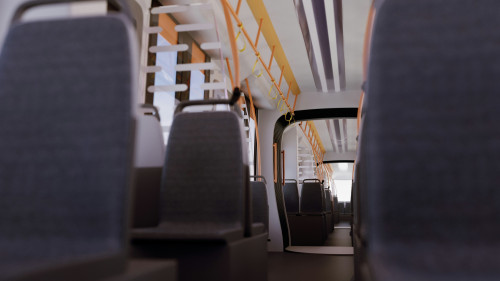

Travel Sustainably – and See More
Bus travel is one of the most eco-friendly ways to explore Europe. The carbon footprint per passenger is much lower than flying, and you get to experience the continent at a slower, more immersive pace.
Consider combining bus travel with local trains, bikes, or ferries. It’s a great way to support local communities and enjoy a more varied journey.
Find Your Travel Style
There’s no single “right” way to take a bus trip through Europe. Some travelers prefer fast connections between major cities, while others enjoy slower routes with plenty of stops. The key is to match your trip to your personality.
If you want to see as much as possible in a short time, choose efficient routes with overnight buses. If you’d rather savor the journey, plan shorter distances and more breaks. Either way, bus travel offers a flexible, affordable, and surprisingly comfortable way to discover Europe—one scenic mile at a time.
Læs også: