Train Culture as a Reflection of a Nation: Experience History and Mindset on the Journey


Train Culture as a Reflection of a Nation: Experience History and Mindset on the Journey
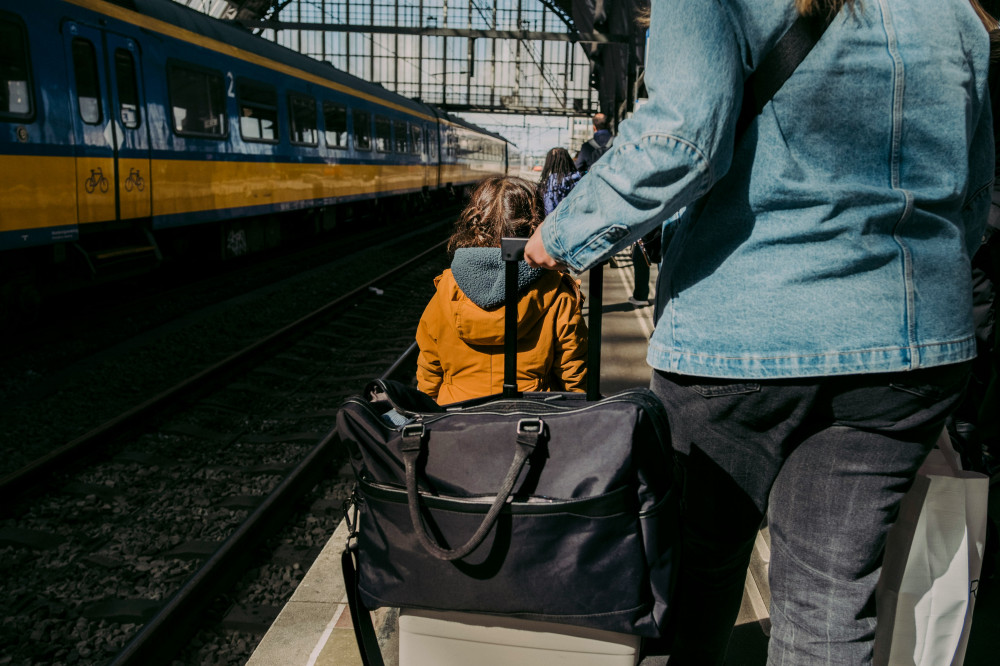
When a train begins to move and the scenery unfolds outside the window, the journey becomes more than a simple transfer from one place to another. It turns into an encounter with a nation’s history, rhythm, and collective mindset. Train culture—how people travel, interact, and relate to time and comfort—often reveals more about a country than any travel guide. From Japan’s precision to Italy’s spontaneity and America’s renewed fascination with rail travel, the train is a mirror of the society it serves.
The Train as a National Symbol
In many countries, the train is more than a means of transportation—it’s a symbol of progress, unity, and identity. In the United States, the railroad was once the backbone of expansion, connecting coasts and communities, and shaping the very idea of the American frontier. The transcontinental railroad didn’t just move goods; it moved dreams, ambition, and the promise of opportunity.
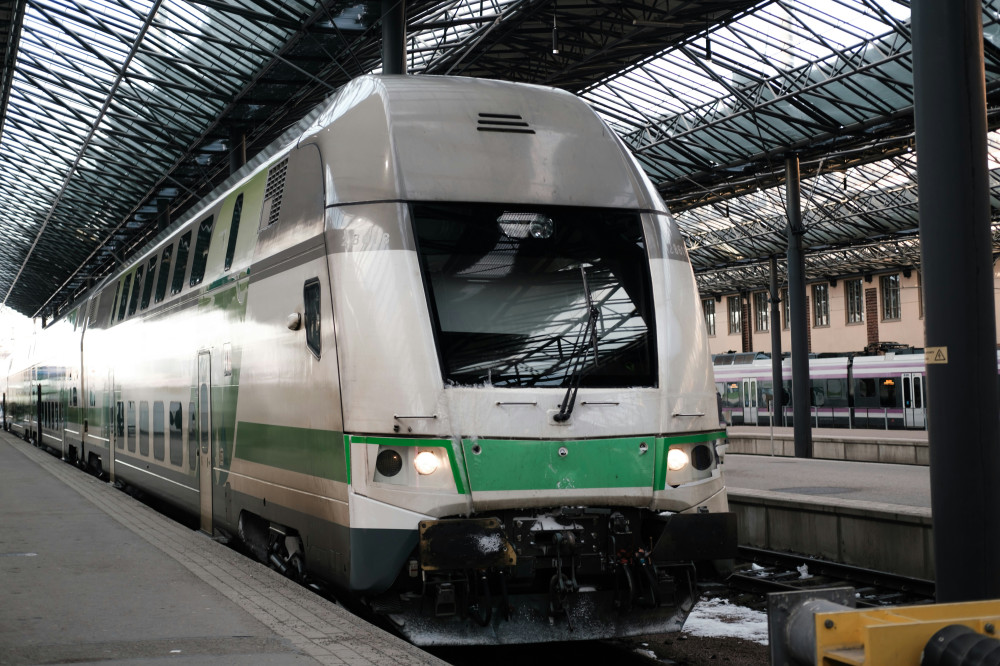
In Europe, trains often reflect national character: Swiss punctuality, French elegance, or British tradition. In Japan, silence and order in the carriages express respect for the collective, while in southern Europe, lively conversations and shared snacks turn the journey into a social event. Each country’s approach to rail travel reveals its values—discipline, sociability, or a love of freedom.
History on the Rails
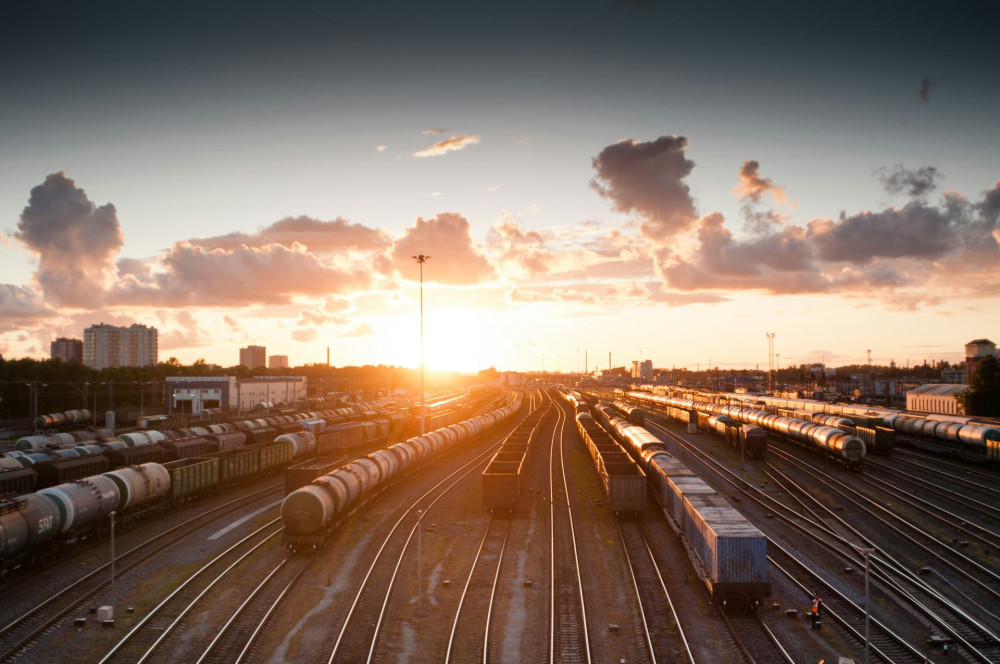
The story of the train is the story of modernity itself. In the 19th century, railroads transformed landscapes and economies, shrinking distances and redefining time. In the U.S., they stitched together a vast and diverse nation, fueling industrial growth and migration. Towns sprang up along the tracks, and the whistle of a locomotive became the sound of progress.
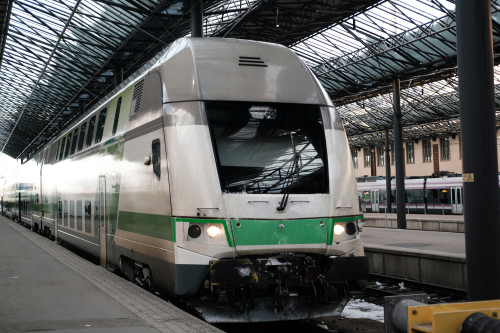
Today, remnants of that golden age remain in grand stations like New York’s Grand Central Terminal or Chicago’s Union Station—cathedrals of travel that still echo with history. Meanwhile, new high-speed lines in Europe and Asia point toward a future where rail once again competes with the skies. To travel by train is, in many ways, to travel through time—from the steam era to sleek electric networks that promise sustainability and connection.
Mindset on the Tracks
How a nation runs its trains says much about its relationship with time, order, and community. In Germany, precision and reliability are part of the cultural DNA. In Italy, delays are often met with a shrug and a smile—an acceptance that life, like travel, is best enjoyed without too much rigidity. In the United States, the train occupies a more nostalgic space: a reminder of a slower, more deliberate pace of life, now rediscovered by travelers seeking comfort, scenery, and reflection.
American train culture is evolving. While air travel dominates long distances, Amtrak’s long-haul routes—like the California Zephyr or the Empire Builder—offer something different: a chance to see the country unfold mile by mile, to meet strangers, and to rediscover the vastness that defines the American experience.
The Train as a Social Space
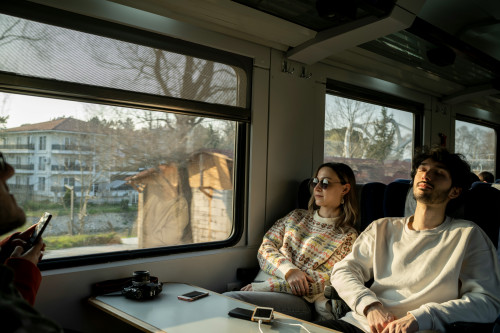
A train car is one of the few public spaces where people from all walks of life share a common direction. It’s a place for quiet observation, fleeting connections, and moments of shared humanity. In some cultures, conversation flows easily between strangers; in others, silence is a sign of respect. In the U.S., the train can be both—a space for solitude or spontaneous conversation, depending on the route and the mood.
On a long-distance journey, you might share a meal in the dining car with a retiree crossing the country, a student heading home, or a traveler chasing the horizon. These encounters, brief yet meaningful, remind us that travel is as much about people as it is about places.
Læs også:

The Journey as Insight
Experiencing a country through its trains offers an authentic glimpse into its rhythm and soul. You see the landscape change, feel the tempo of daily life, and sense how people move through their world. It’s a form of travel that invites reflection—a reminder that transportation is not only about arrival, but about understanding where you are and how you got there.
So next time you board a train, pay attention to the details: how passengers settle in, how the conductor greets them, how the train glides through the landscape. In those small moments lie great stories—of history, culture, and the mindset of a nation on the move.
Læs også: