New Work Habits, New Ways to Travel: How Hybrid Meetings Are Shaping the Travel Industry


New Work Habits, New Ways to Travel: How Hybrid Meetings Are Shaping the Travel Industry
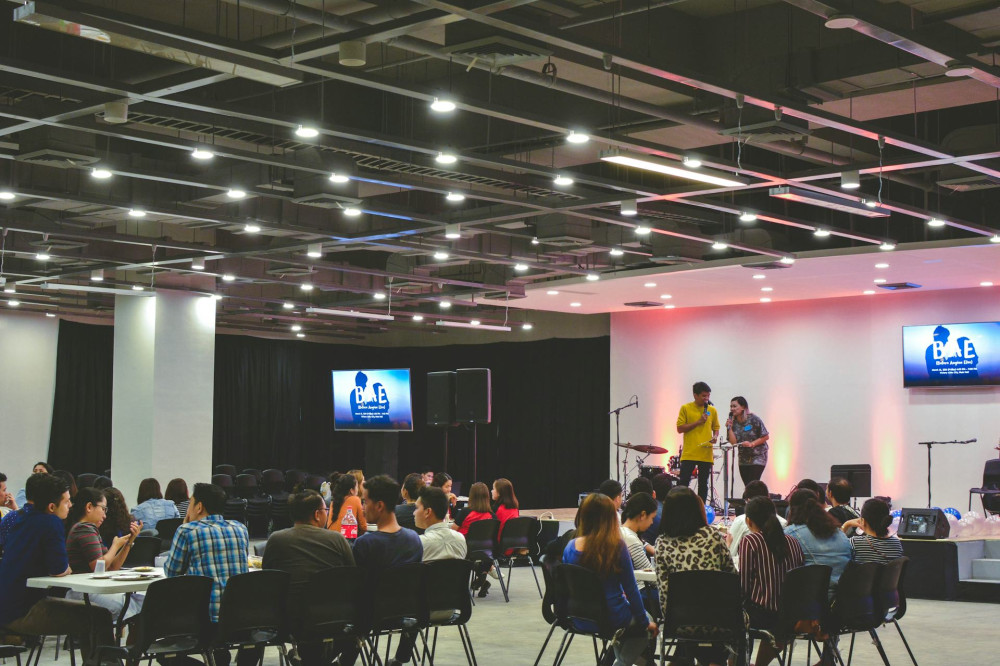
When the world shut down during the pandemic, video calls and digital collaboration tools became essential. Even after offices reopened, many companies chose to keep the flexibility they had discovered. Hybrid meetings—where some participants join in person and others online—are now a permanent part of business life. This shift hasn’t just changed how Americans work; it’s also transforming how and why they travel. The U.S. travel industry is adapting to a new era where business trips are fewer, but more intentional.
Fewer Trips, Greater Purpose
Before 2020, business travel was routine. Conferences, client visits, and internal meetings often required being there in person. Today, companies are more selective. The key question has become: Does this meeting need to happen face-to-face, or can it be done virtually?
The result is fewer, but more meaningful, trips. When employees do travel, it’s often to build relationships, close deals, or collaborate on complex projects—moments where personal presence still matters. These trips are planned with greater care and often combine multiple goals, such as team workshops, client meetings, and networking events, all in one journey.
New Expectations for Flexibility and Technology
Hybrid work has raised the bar for connectivity on the go. Business travelers now expect to join a video meeting seamlessly from an airport lounge, hotel room, or train seat. That means reliable Wi-Fi, quiet spaces, and professional-grade audiovisual setups are no longer optional—they’re essential.
Hotels across the U.S. are responding with “hybrid-ready” meeting rooms equipped for high-quality video conferencing. Airlines are upgrading in-flight Wi-Fi and adding power outlets at every seat. Even coworking spaces and cafés are marketing themselves as remote-work-friendly hubs for travelers who need to stay connected between flights.
The Rise of the “Bleisure” Traveler
The line between work and leisure has blurred. Many professionals now extend business trips to include remote work or personal time—a trend known as bleisure (business + leisure). A trip to a client meeting in Austin might turn into a long weekend exploring the city while working remotely for a day or two.
For companies, this can be a win-win: employees enjoy more flexibility and well-being, while travel budgets are used more efficiently. For the travel industry, it’s an opportunity to offer packages that combine work-friendly amenities with local experiences—think hotels with coworking spaces, wellness options, and curated city guides for remote workers.
Sustainability as a Deciding Factor
Hybrid meetings have also made companies more conscious of their environmental footprint. Many U.S. corporations now track travel-related emissions and encourage employees to choose virtual meetings or lower-impact transportation when possible. Sustainability goals are influencing travel policies as much as cost considerations.
In response, airlines, hotels, and car rental companies are investing in greener options—from carbon offset programs and electric vehicle fleets to LEED-certified accommodations. Some travel management platforms even help businesses measure and report the environmental impact of their travel activities, aligning with corporate ESG commitments.
Læs også:



Rethinking Corporate Travel Policies
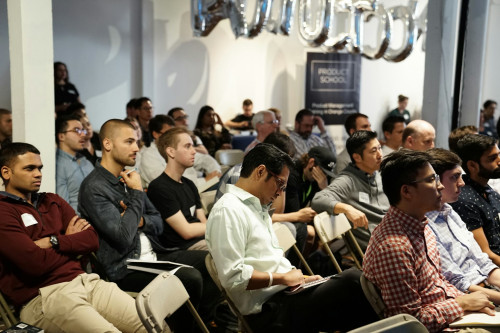
Hybrid work hasn’t eliminated the need for in-person meetings—it’s redefined their purpose. The future of corporate travel lies in balance: knowing when physical presence adds value and when digital efficiency is enough. Many U.S. companies are updating their travel policies to prioritize trips with high strategic importance and to integrate virtual participation where it makes sense.
For the travel industry, success is no longer measured by the number of tickets sold, but by how well it supports this new model of mobility—one that values flexibility, technology, and sustainability in equal measure.
A Changing Industry with New Opportunities
While hybrid meetings have reduced the volume of business travel, they’ve also opened new avenues for growth. The travel industry is evolving from being a transporter to being a partner in how companies work. It’s no longer just about getting people from point A to point B—it’s about enabling collaboration, connection, and creativity, whether that happens in a boardroom, on a screen, or somewhere in between.
Læs også: