Colors and Materials: How Interior Design Affects the Mood in a Hotel Room

Colors and Materials: How Interior Design Affects the Mood in a Hotel Room
When you walk into a hotel room, it takes only a few seconds to form an impression. Does it feel calm and relaxing? Bright and energizing? Or perhaps luxurious and exclusive? That first feeling is rarely accidental. Colors, materials, and lighting all play a crucial role in how comfortable we feel—and today, hotels use interior design as a powerful tool to shape the guest experience.
The Psychology of Color – More Than Just Aesthetics
Colors influence our emotions and behavior in subtle but significant ways. That’s why hotel designers choose color palettes carefully, depending on the atmosphere they want to create.
- Blues and greens evoke calm, nature, and balance. They’re often used in resorts and wellness hotels that want to promote relaxation and serenity.
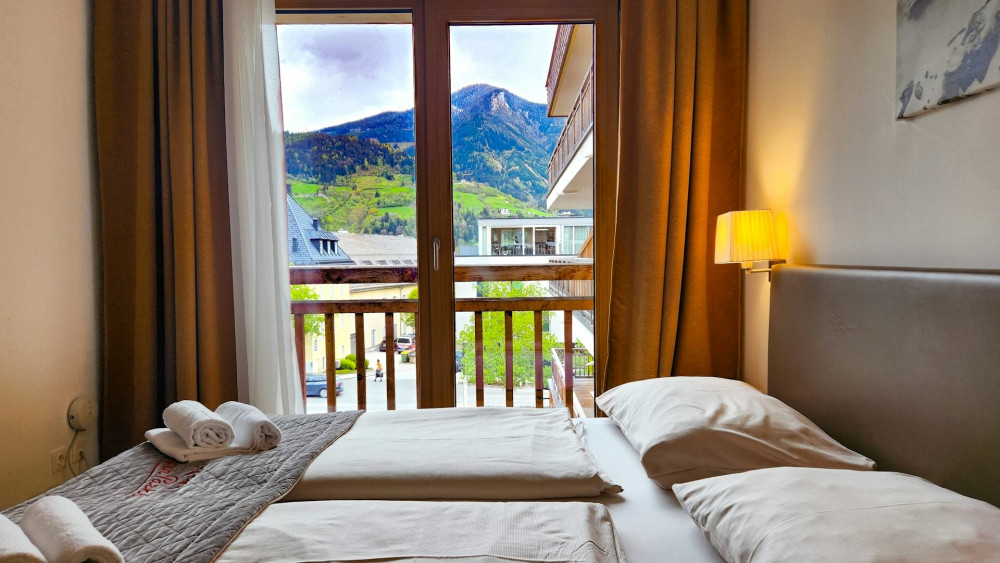
- Warm tones like beige, terracotta, and gold create a sense of comfort and intimacy—perfect for boutique hotels that want guests to feel at home.
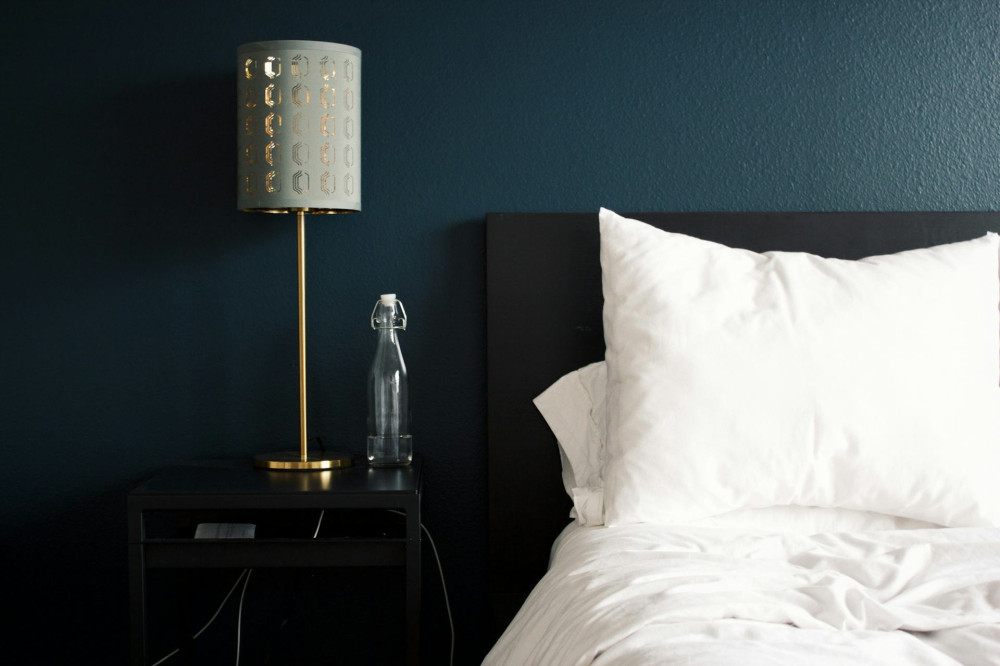
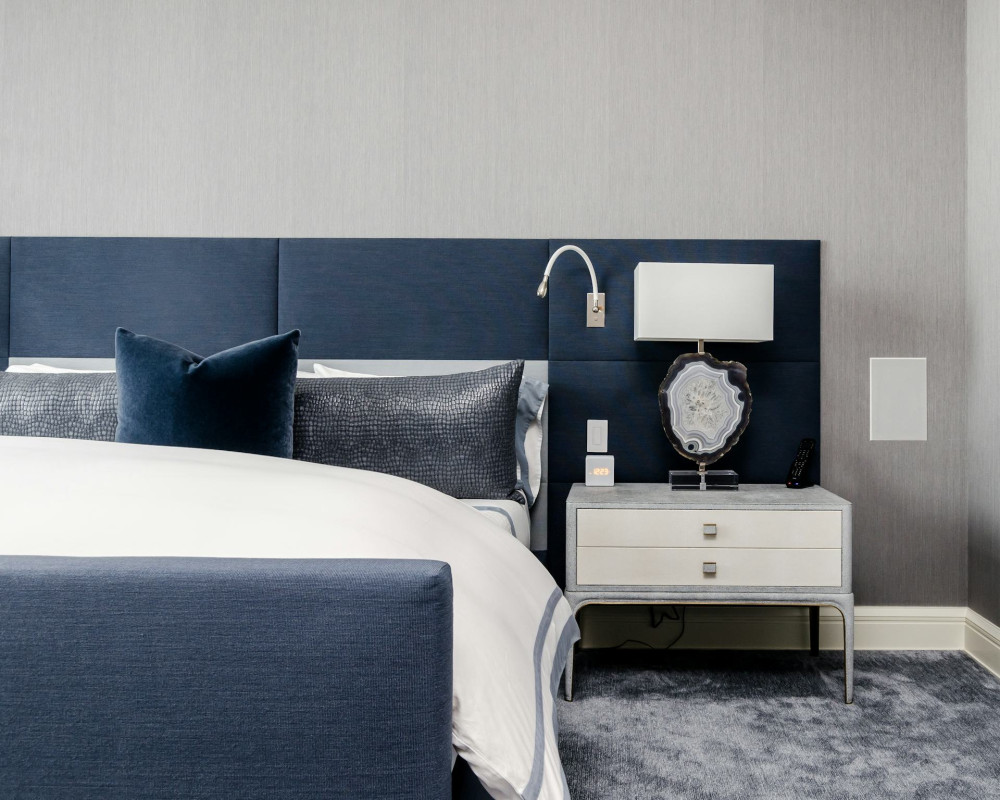
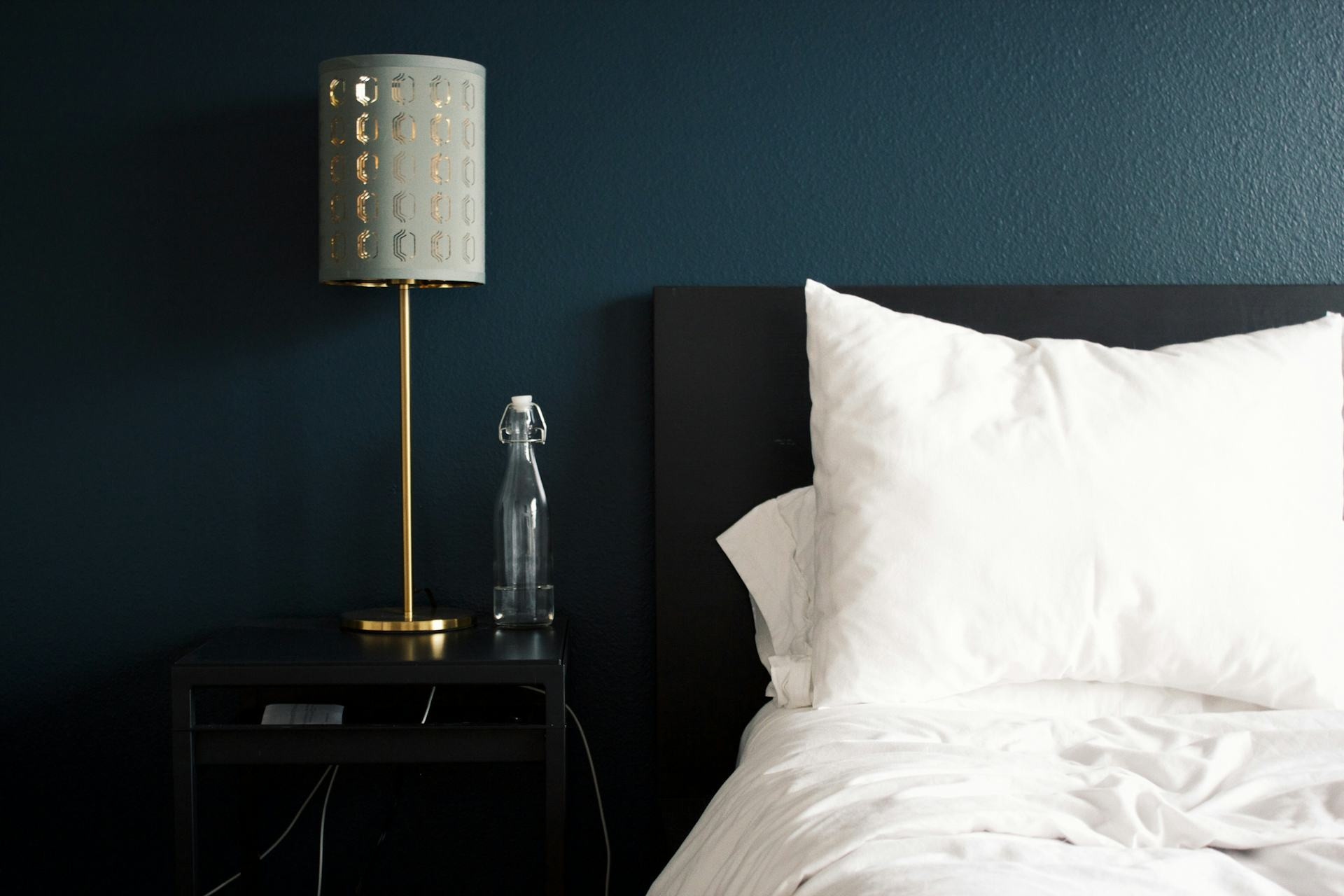
- Dark shades such as navy, forest green, or charcoal convey sophistication and depth, but they need to be balanced so the room doesn’t feel heavy.
- Light colors and pastels make spaces feel larger and more open—ideal for city hotels where square footage is limited.
Even small color choices—like the hue of the headboard wall or the bedding—can change how a guest perceives the space.
Læs også:

Materials That Speak to the Senses
While color affects us visually, materials engage our sense of touch. They add texture, warmth, and authenticity. The right combination of materials can turn a generic room into one that feels inviting and memorable.
- Wood brings warmth and a natural feel. Light oak or maple creates a fresh, airy look, while darker woods like walnut or mahogany suggest elegance and tradition.
- Textiles such as wool, linen, and cotton soften the space and absorb sound, adding comfort and coziness.
- Metal and glass are common in modern hotels for their clean, minimalist look—but they can feel cold unless balanced with softer elements.
- Stone and marble signal luxury and durability, though they can seem cool unless paired with warm lighting or natural wood.
Sustainability is also shaping hotel design in the U.S. Many properties now use reclaimed wood, organic fabrics, and locally sourced materials to create interiors that are both stylish and environmentally responsible.
Lighting as a Mood Setter
Lighting is one of the most powerful yet overlooked elements in hotel design. A room’s entire character can change depending on how it’s lit.
Natural light brings energy and openness, while dimmed lighting creates calm and intimacy. Many hotels now use layered lighting—a mix of ceiling fixtures, wall sconces, and indirect light—so guests can adjust the mood themselves. Warm light (around 2700 Kelvin) feels cozy and relaxing, while cooler light (above 4000 Kelvin) is more functional and energizing.
Design That Tells a Story
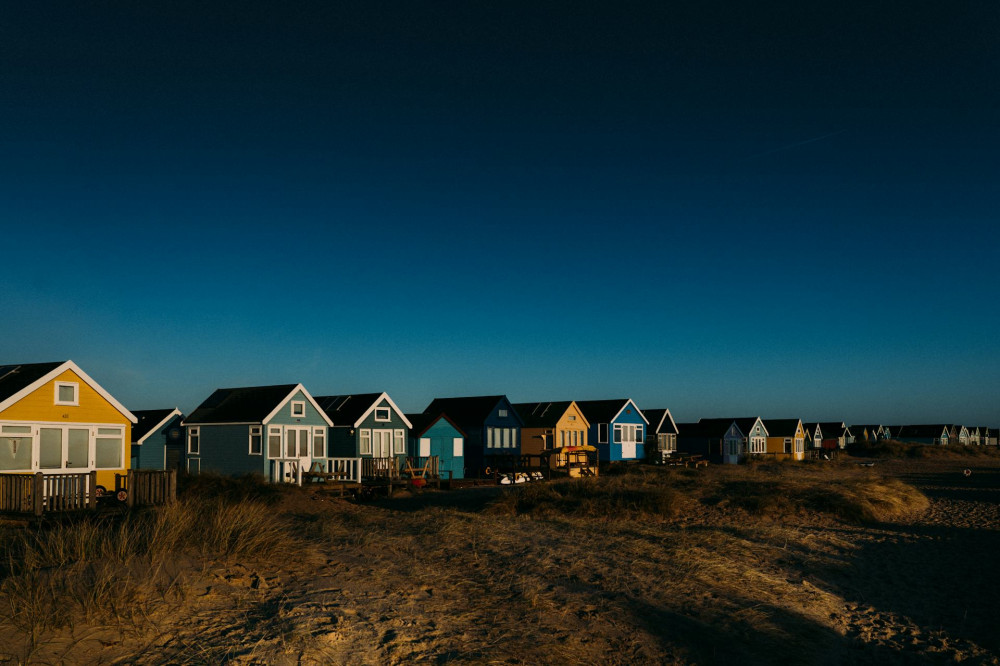
The most memorable hotel rooms are those with a clear identity. It might be a theme, a local reference, or a consistent aesthetic expressed through colors and materials. A coastal hotel might use sandy tones, linen fabrics, and light wood to reflect its surroundings, while an urban property might favor darker hues, metal accents, and bold geometric patterns to emphasize a city vibe.
When the design aligns with the hotel’s story, guests experience a sense of harmony—and that makes their stay feel more authentic.
Finding the Right Balance
The biggest challenge in hotel design is balancing function and feeling. A room must be practical and easy to maintain, yet still convey comfort and personality. That’s why many hotels embrace the concept of “residential luxury”—a style that feels warm and natural but remains durable and low-maintenance.
A well-designed hotel room should offer both tranquility and inspiration. It should be a place to unwind, yet still feel connected to the world outside.
An Experience That Lasts
When colors, materials, and lighting work together, they create a mood that lingers long after check-out. That’s what great hotels aim for: not just to be remembered for their service or location, but for the atmosphere—the feeling of being in a space where everything simply feels right.
Læs også: